
Introduction
Exterior paint does more than improve appearance. It forms a barrier that helps timber, plaster, and trim handle rain, salt, wind, and sun. A sound coating can slow moisture entry, limit surface wear, and reduce repair costs over time. For many homes, repainting at the right stage prevents minor faults from turning into cladding damage, mould growth, or early material failure.
Salt, Sun, and Rain
North Shore homes face strong ultraviolet exposure, sea air, and quick weather shifts. Those factors can shorten coating life and expose weak preparation. Local owners often compare timelines, product grades, and surface needs before hiring house painters in North Shore, because an exterior job affects protection, upkeep budgets, and the condition buyers notice first from the street.
Moisture Finds Small Gaps
Cracked filler, open joints, and peeling edges give water easy access. Once moisture sits under paint, blistering and rot can follow. Professional crews inspect corners, fascias, sills, and weatherboards before work starts. That inspection helps catch defects early, while repairs remain manageable and far less expensive than partial recladding later.
Preparation Drives Service Life
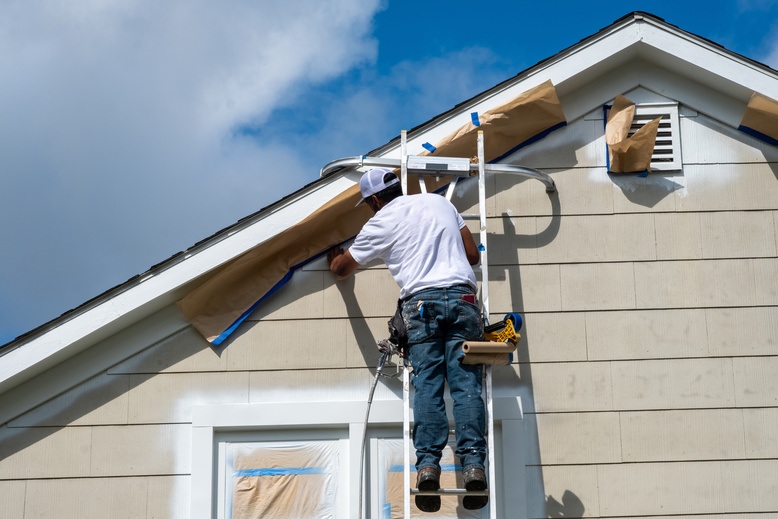
Many coating failures begin before the first finish coat. Dirt, chalk, salt film, and loose flakes stop adhesion and weaken coverage. Professional preparation often includes washing, scraping, sanding, spot priming, and sealing gaps. That sequence helps topcoats bond well and often adds several useful years before another major repaint is needed.
Product Choice Matters
Exterior surfaces expand and contract as temperatures shift. Paint must move with that change while resisting fading and moisture. Higher-grade systems usually provide better colour hold, cleaner washability, and stronger film strength. Choosing the wrong finish for timber, masonry, or metal can shorten performance, even if the application looks tidy on day one.
Skilled Application Reduces Waste
Good painters control film thickness, drying times, and edge work. Those details affect durability as much as colour choice. Overspread paint can fail early, while heavy coats may sag or cure poorly. Experienced teams also plan around shade, dew, and wind, because poor timing can undermine a full day of solid labour.
Key Areas Need Extra Care
Joinery and Trim
Windows, corner boards, and door frames face frequent water contact. These areas often need careful sanding, gap sealing, and sharp brushwork.
Fences and Garages
Detached structures weather hard and are easy to ignore. Fresh coatings there protect exposed timber and keep the whole property looking maintained.
Maintenance Becomes Easier
A professionally coated exterior usually holds less dirt and sheds grime more easily during routine washing. That makes seasonal upkeep faster and less costly. Regular cleaning, small touch-ups, and annual checks can extend a repaint cycle by one or two years. Preventive care works best when the original job starts with sound prep and correct materials.
Appearance Supports Value
First impressions shape how a property feels before anyone steps inside. Faded walls, flaking trim, and patchy repairs can suggest hidden neglect. A clean exterior gives buyers, tenants, and guests more confidence in general upkeep. For owners staying long term, a fresh finish also lifts daily pride without major structural work.
Timing Can Save Money
Waiting until broad failure appears often increases labour and repair costs. Early repainting usually means less scraping, fewer timber replacements, and shorter site time. Many homes need a full exterior review every year, with repainting commonly falling within seven to ten years, depending on exposure, colour depth, and prior workmanship.
Conclusion
Professional exterior painting protects more than a facade. It helps defend materials, control future spending, and keep a home looking cared for through changing seasons. Proper inspection, thorough preparation, and suitable coatings give each surface a better chance of lasting well. For owners weighing timing or scope, expert assessment can turn repainting from a cosmetic task into practical long-term property protection.