
Introduction
A small home can still have demanding heating needs. Room layout, insulation, hot-water use, and energy supply all affect which system fits best. Floor area alone cannot settle the choice: two homes of equal size may lose heat at different rates or house different numbers of residents. A careful comparison begins with heat demand, then weighs installation requirements, running costs, and available space. That process helps households choose equipment suited to daily use rather than guesswork.
Compare the Main System Types
In a compact home, heating choice depends on room count, hot-water demand, insulation, and available electrical or gas capacity. A combi system heats water on demand, avoiding a separate cylinder, while other setups store hot water for simultaneous use. Comparing these details helps residents assess combi boiler installation as one possible route, rather than assuming every small property needs the same equipment.
Estimate Heat Demand
A room-by-room heat-loss calculation offers a more reliable starting point than a broad size estimate. It considers room dimensions, windows, insulation, outside walls, and local winter temperatures. The result helps determine the required output in kilowatts. Undersized equipment may struggle during cold periods, while excessive capacity can raise purchase costs. Residents should request the calculation and its assumptions before comparing quotes.
Check Existing Fuel Options
An existing gas connection may make a gas boiler practical, while homes without one can compare electric systems or heat pumps. Fuel availability affects installation work and ongoing bills. Each option also has different servicing needs and emissions. Residents can check recent energy statements for annual consumption and unit rates, then compare likely costs using the same heating schedule and hot-water assumptions.
Match Hot Water to Household Use
A combi boiler heats water as taps or showers need it, so it usually avoids a storage cylinder. That can save cupboard space in a small property. However, flow may be shared if several outlets run together. A cylinder-based arrangement stores hot water for later use and may suit homes with overlapping demand. The right choice depends on how many residents use showers, baths, and taps at busy times.
Verify Electrical Capacity
Electric boilers can suit homes without a gas supply, but the electrical installation must support the unit’s demand. An installer should check the consumer unit, wiring, supply capacity, and any required upgrades before confirming a specification. These checks matter particularly for older properties. Residents should request written confirmation of the expected load and installation work, rather than relying on a product’s rated output alone.
Consider a Heat Pump
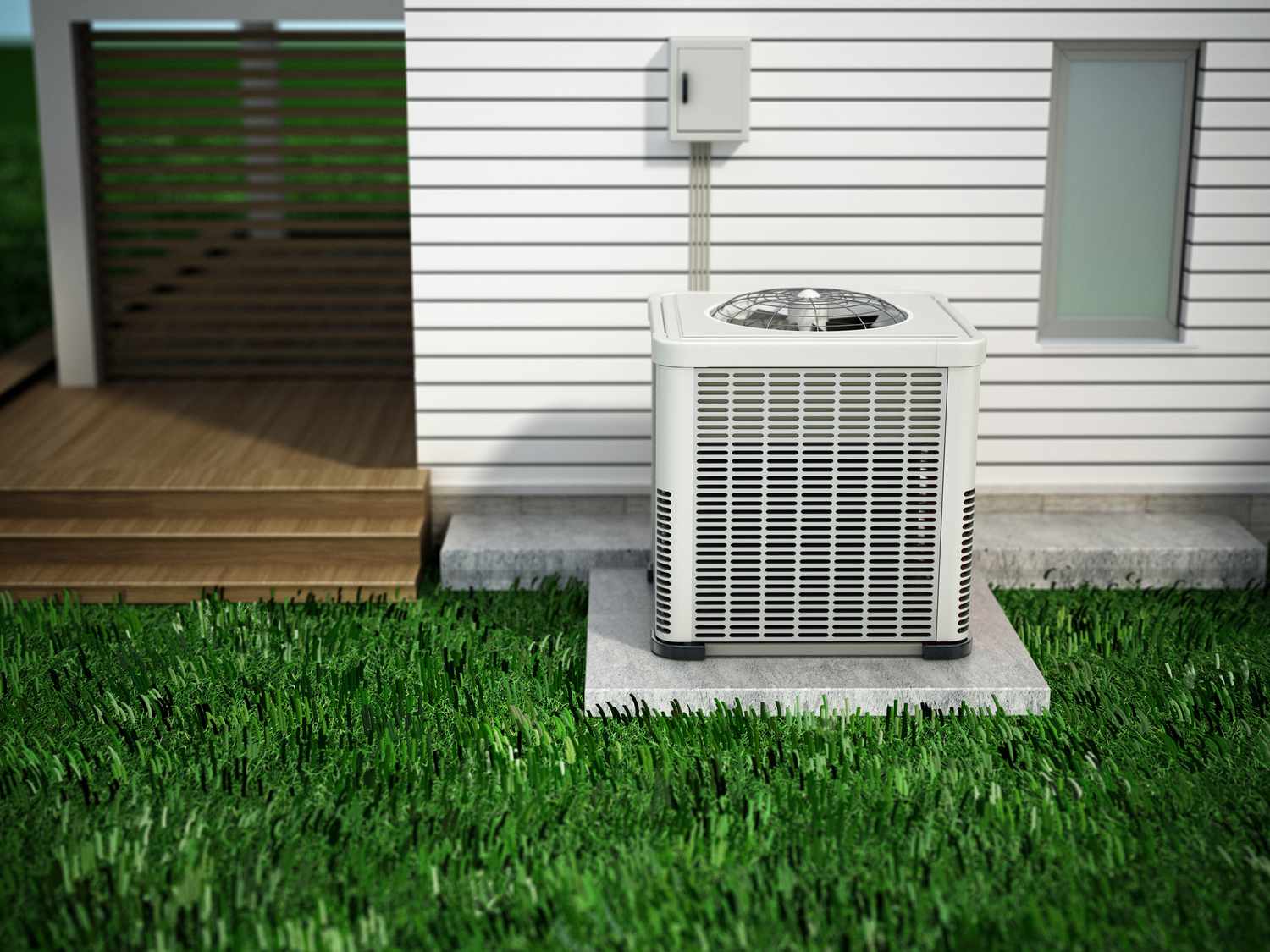
An air-source heat pump takes heat from outdoor air and transfers it into the home. It can work well in a small, well-insulated property, though installation needs outdoor space and suitable heating emitters. Radiators may require assessment or replacement. A qualified survey should check heat loss, pipework, noise considerations, and placement. Comparing the full installation cost with expected energy use gives a clearer view than comparing equipment prices alone.
Reduce Heat Loss First
Insulation improvements can lower the amount of heat a system must provide. Draught-proofing, loft insulation, and suitable window upgrades may reduce heat loss, depending on the property’s condition. Better insulation can also allow lower heating temperatures, which may benefit heat-pump performance. Residents should record the home’s current insulation and identify priority repairs before choosing a boiler or other equipment.
Measure Space and Controls
Available space affects both equipment choice and service access. A combi boiler may remove the need for a cylinder, while a heat pump requires an outdoor unit and clear airflow. Controls also matter: a programmable thermostat and room-by-room settings can help match heat to occupancy. Before purchase, residents should confirm dimensions, clearance needs, control compatibility, and access for future maintenance.
Compare Whole-Life Costs
A useful comparison includes equipment, labour, possible electrical or pipework upgrades, servicing, and estimated energy use. Quotes should specify what is included and identify any exclusions. Annual bills can vary with tariffs, weather, household habits, and system efficiency, so estimates should state their assumptions. Residents can compare options over the same period, such as ten years, while keeping energy-price forecasts clearly labelled as estimates.
Select a Qualified Installer
The installer should survey the property, explain system sizing, and provide a written breakdown of work and costs. Residents can check relevant qualifications, warranty terms, service arrangements, and who handles commissioning. A product warranty may depend on correct installation and registration, so those details deserve confirmation before booking. The company’s inspected homepage presents product ranges, installation services, and support information, but each property still requires an individual suitability check.
Conclusion
The best heating choice for a small home balances measured heat demand, hot-water habits, fuel access, installation limits, and long-term costs. A room-by-room assessment can prevent poor sizing, while a property survey reveals electrical, plumbing, or space constraints. Residents should compare written quotes using consistent assumptions and confirm warranty conditions before committing. With evidence in hand, a compact property can gain a system that fits its layout, household routine, and available budget.