
Introduction
A clean learning setting supports concentration, comfort, and daily wellbeing. Students spend many hours in classrooms, libraries, laboratories, sports areas, and shared facilities. Each space collects dust, marks, moisture, and germs through ordinary use. Professional cleaners provide consistent routines that remove visible dirt and address overlooked surfaces. Their work also helps teachers focus on lessons instead of maintenance tasks. A reliable cleaning plan gives schools a healthier, calmer place for study, collaboration, and personal growth.
Maintain Consistent Hygiene
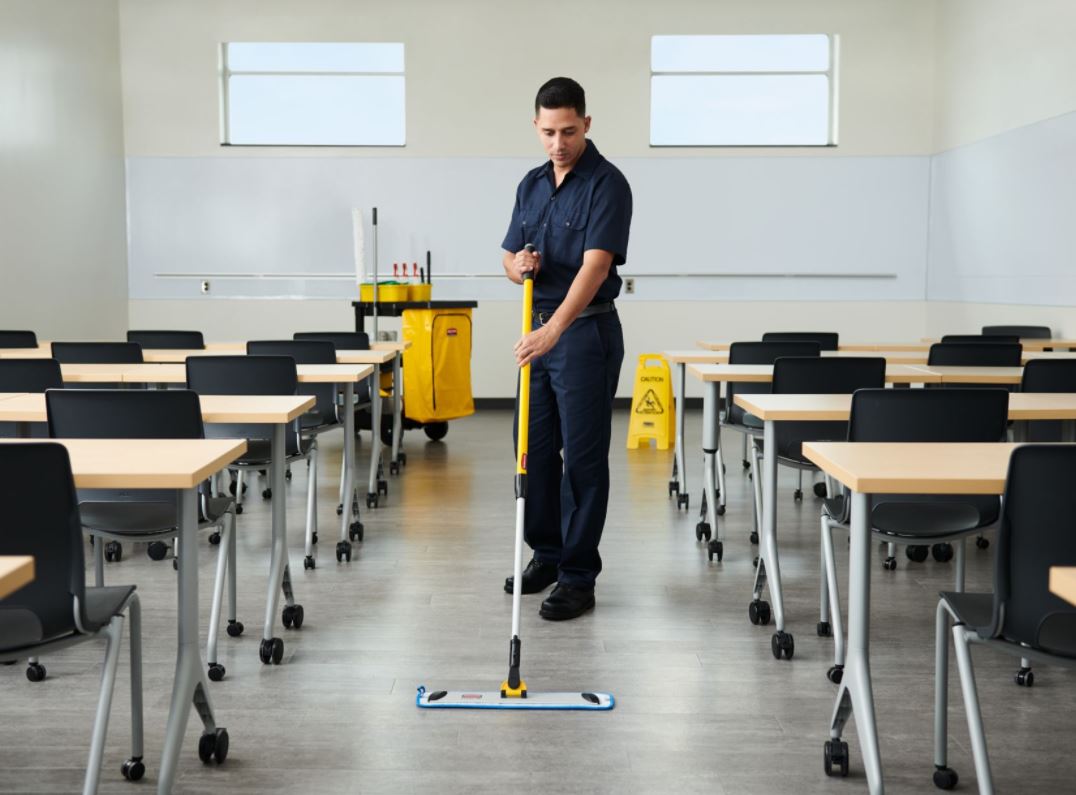
Schools need dependable cleaning schedules because hundreds of people share the same facilities each day. School cleaning in Christchurch can cover classrooms, corridors, offices, washrooms, and communal areas. Trained teams follow planned routines for floors, desks, touchpoints, and waste removal. This approach reduces missed tasks and supports a more consistent standard across the property, including spaces that receive heavy daily use.
Reduce Germ Transfer
Door handles, taps, desks, railings, and shared equipment can collect germs through frequent contact. Regular disinfection of these points helps limit transfer between students, teachers, visitors, and support staff. Cleaning teams can give extra attention to surfaces used throughout the day. A documented routine also helps school leaders check whether priority areas receive suitable care before classes begin.
Improve Air Quality
Dust and fine particles can settle on shelves, vents, carpets, curtains, and high surfaces. Without proper attention, these materials may affect comfort for people with allergies or breathing sensitivities. Professional cleaners use suitable methods for different materials and locations. Vacuuming, damp wiping, and planned ventilation support fresher indoor conditions. Cleaner air can help learners remain settled during lessons and activities.
Protect Learning Materials
Classroom equipment, books, computers, instruments, and furniture require careful handling during maintenance. Harsh products or excessive moisture may damage valuable items. Experienced cleaners can follow instructions for sensitive surfaces while keeping surrounding areas hygienic. Their work protects resources from accumulated dust, spills, and residue. Better care can also reduce replacement costs, helping schools direct more funds toward teaching supplies.
Support Student Focus
Untidy rooms can create visual distractions and make shared areas feel less inviting. Clean floors, orderly surfaces, and fresh washrooms create a stronger foundation for concentration. Teachers can begin lessons without moving rubbish or wiping neglected desks. Students also receive a clear message about respect for shared spaces. A well-maintained setting supports positive habits alongside academic development.
Manage High-Traffic Zones
Entrances, hallways, cafeterias, and sports facilities experience constant movement. These locations often collect soil, food scraps, moisture, and litter faster than quieter rooms. A professional schedule can increase attention during busy periods and address spills promptly. Mats, spot treatments, floor care, and waste collection help these areas remain safer. Fast action also lowers the chance of slips and unpleasant odours.
Strengthen Safety Practices
Cleaning work involves chemicals, equipment, wet surfaces, and elevated areas, so suitable procedures matter. Trained personnel can use correct products, protective equipment, warning signs, and storage methods. They can also report damaged flooring, leaks, blocked exits, or other concerns noticed during service. This extra observation gives school managers useful information before minor issues become larger hazards.
Support Staff Productivity
Teachers and administrators have limited time for duties outside their main roles. Assigning extensive cleaning tasks to school employees can reduce preparation time and increase workload pressure. External cleaners handle planned maintenance, allowing staff to concentrate on students, administration, and family communication. Clear service times also reduce disruption during lessons. The result is a more focused routine for everyone on site.
Create Accountability
A written cleaning plan makes responsibilities easier to track. It can list rooms, surfaces, service frequency, products, and inspection points. School leaders can review completed work and discuss adjustments when enrolment, timetables, or facility use changes. Open communication helps both parties respond to seasonal illness, special events, and urgent spills. Clear records also provide practical evidence of ongoing care.
Conclusion
Professional cleaning contributes to learning conditions that feel safer, calmer, and more comfortable. Consistent hygiene routines reduce surface contamination, while careful dust removal supports indoor comfort. Proper attention to high-traffic locations protects floors, walkways, and shared facilities. External teams also free educators from routine maintenance, giving them more time for teaching and student support. With documented tasks, suitable products, and regular reviews, schools can maintain spaces that help learners stay focused each day.